
How psychology influences betting behavior in casinos
The Role of Cognitive Biases
Cognitive biases play a significant role in how individuals approach betting in casinos. Many gamblers exhibit the “gambler’s fallacy,” which is the belief that past events can influence future outcomes. For instance, a player might think that a slot machine is “due” for a payout after a series of losses. This fallacy can lead to irrational decision-making, encouraging players to wager more than they intended. In their search for excitement, players often look for the best online casino that promises lucrative rewards.
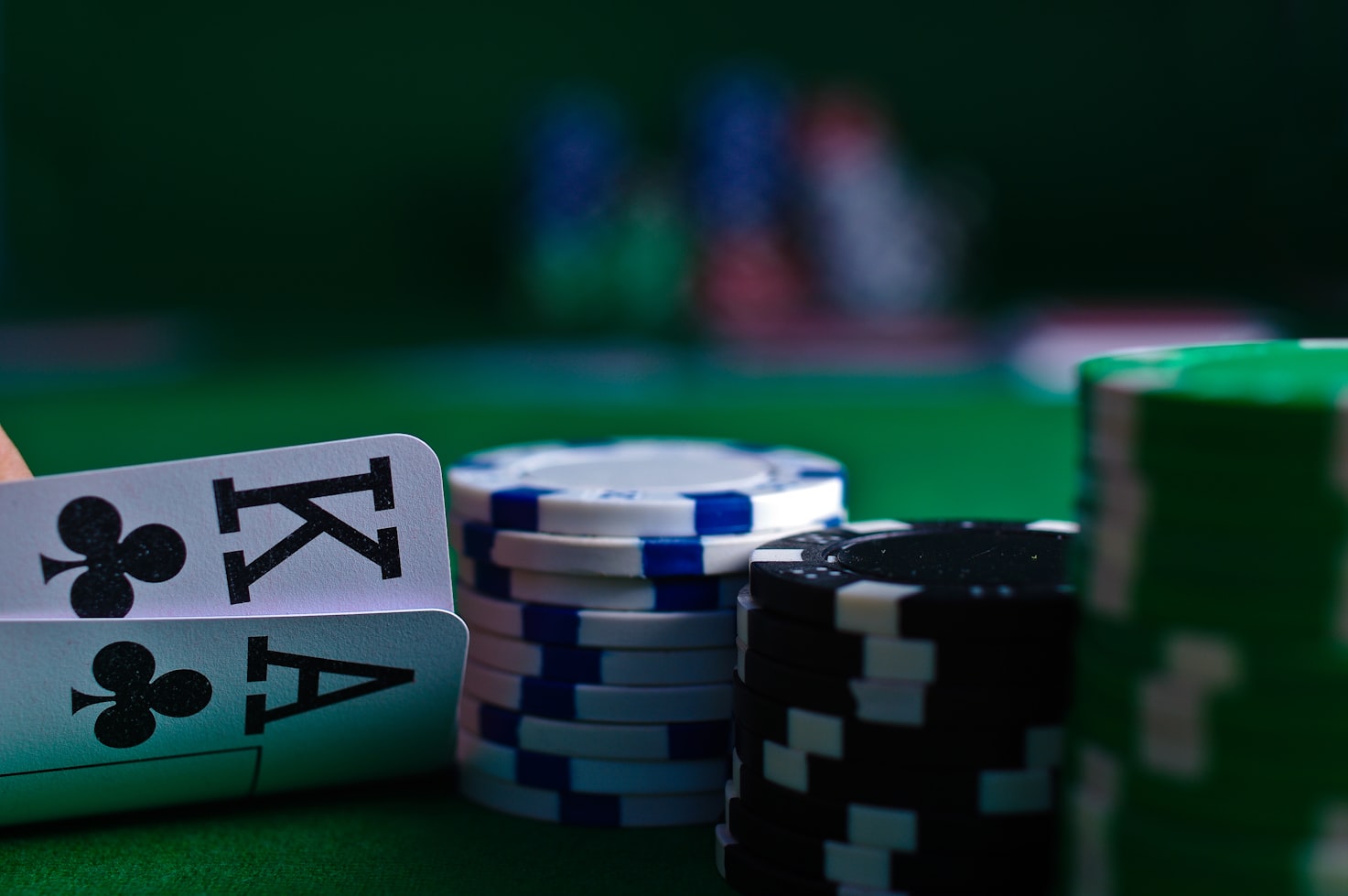
Another common cognitive bias is the “illusion of control,” where gamblers believe they can influence the outcome of random events. This belief is particularly prevalent in games like poker or blackjack, where skill is involved. Players may overestimate their abilities, which can result in increased betting and a higher likelihood of significant losses.
The Impact of Emotions
Emotions are a driving force behind betting behavior in casinos. When individuals are in a positive emotional state, they are more likely to engage in riskier betting behavior. Excitement and joy can lead to an adrenaline rush, prompting players to make impulsive decisions. Conversely, negative emotions such as sadness or frustration can also influence betting, often resulting in “chasing losses.” This behavior can spiral out of control, leading to even greater financial strain.
Moreover, casinos are designed to elicit strong emotional responses. The use of lights, sounds, and even scents creates an immersive environment that stimulates excitement. This sensory overload can impair judgment, making it difficult for players to think rationally about their betting choices.
The Influence of Social Dynamics
Social dynamics significantly affect betting behavior in casinos. The presence of others can create a sense of camaraderie, leading to increased betting activity. Gamblers often feel emboldened in groups, encouraging each other to take bigger risks than they would alone. This phenomenon is known as “social facilitation,” where individuals perform better or take greater risks in a group setting.
Additionally, the culture of gambling within a group can shape individual behavior. If a player is surrounded by high-stakes gamblers, they may feel pressured to match the betting levels, regardless of their financial situation. This social influence can lead to irrational choices driven by the desire for acceptance and excitement.
The Design and Environment of Casinos
The physical layout and design of casinos are meticulously crafted to enhance the gambling experience and influence behavior. Casinos often use a maze-like structure to keep players inside longer, creating a disorienting effect that minimizes the awareness of time and money spent. This strategic design encourages gamblers to continue playing, often leading to increased betting.
Furthermore, the absence of windows and clocks in many casinos contributes to a timeless atmosphere, making it easy for players to lose track of their betting sessions. This design choice can exacerbate impulsive behaviors, as players may find it difficult to assess their financial limits and make informed decisions about their gameplay.

About Our Insights
Our platform aims to provide comprehensive insights into how psychology influences betting behavior in casinos, helping players understand the underlying factors at play. By exploring cognitive biases, emotional influences, and social dynamics, we equip gamblers with the knowledge to make informed decisions.
With a focus on responsible gaming, our reviews and guides assist players in recognizing the psychological triggers that can affect their betting. We strive to create a safe environment for all players, ensuring that their casino experiences remain enjoyable and within their means.