
Exposing the truth Common gambling myths revealed
Understanding the Odds: Luck vs. Skill
One of the most persistent myths in gambling is that winning is purely based on luck. While luck undoubtedly plays a role, skill and strategy are crucial, especially in games like poker or blackjack. Players who invest time in learning the rules and developing strategies can significantly increase their chances of success. Discovering a fast withdrawal casino can also enhance the overall gaming experience by providing immediate access to winnings. Understanding the odds and how they work can also enhance a player’s ability to make informed decisions during gameplay.
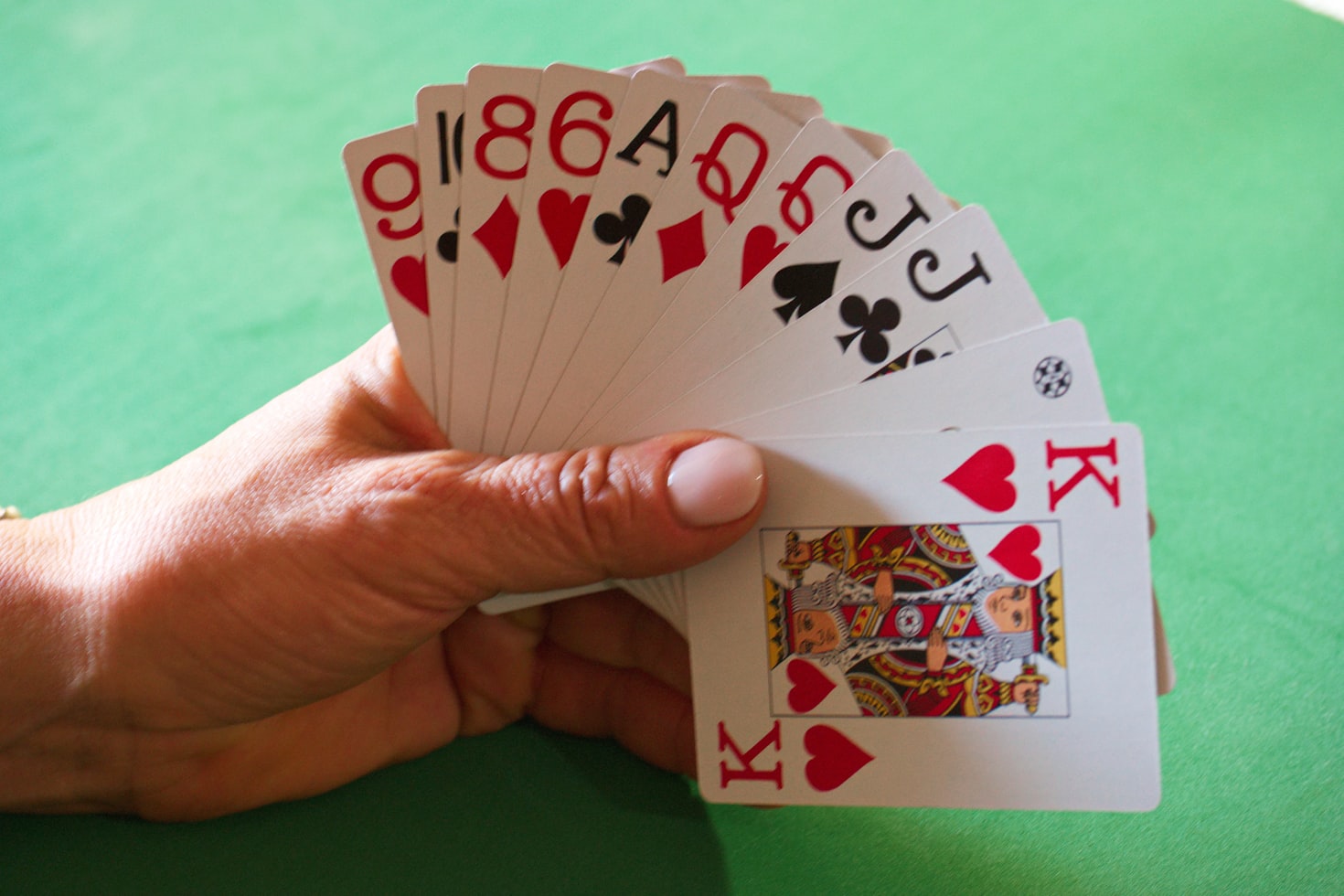
In games where skill is essential, such as poker, the best players often have a deep understanding of probability, psychology, and game theory. By mastering these elements, they can make calculated bets that can lead to long-term success. This myth diminishes the importance of learning and practice, suggesting that anyone can walk into a casino and win simply by being lucky, which is far from reality.
Moreover, even in games of chance, like slots or roulette, players can apply strategies that may improve their overall experience. For instance, choosing games with higher payout percentages can lead to better returns over time. This perspective highlights the significance of education in gambling and dispels the myth that luck alone determines winners.
The House Always Wins: Debunking the Myth
The saying “the house always wins” is often interpreted to mean that players are destined to lose in the long run. While it is true that casinos have a built-in advantage, this does not mean every player will inevitably face losses. Many players have experienced substantial wins, especially when employing sound strategies. The house edge varies significantly across different games, meaning that some games provide better opportunities for players than others.
Players often overlook the concept of variance, which indicates that while the house may have a statistical advantage, short-term wins can and do occur. For example, slot machines and table games can yield significant payouts on occasion, creating the illusion of luck and skill intersecting. Understanding variance helps players grasp that while losses are common, they are not guaranteed in every session.
Furthermore, players who engage in responsible gaming and set limits can enjoy their gambling experience without succumbing to the notion that losses are unavoidable. By recognizing when to stop and understanding the nature of odds, players can approach gambling as a form of entertainment rather than a guaranteed financial loss.
The Myth of “Due” Outcomes
Another widespread myth in gambling is the belief that a game is “due” for a win after a series of losses. This misconception often leads players to make impulsive betting decisions, thinking their luck is bound to change. In reality, each spin of a slot machine or roll of the dice is independent and random. No previous outcome affects future results, a principle known as the gambler’s fallacy.
This myth can be particularly damaging to a player’s bankroll. When players believe they are owed a win, they may increase their bets in an attempt to recoup losses, leading to more significant financial strain. Understanding that outcomes are random can help players maintain a more balanced approach and minimize the risk of chasing losses, which often results in even larger deficits.
In games governed by randomness, each play is a fresh start. For instance, in a game of roulette, the previous spins do not influence the next one. Educating oneself about randomness and independence in gambling can cultivate a healthier attitude toward betting and help manage expectations effectively.
Gambling Myths and Responsible Gaming
Many gambling myths contribute to irresponsible gaming habits, potentially leading to addiction. For example, the belief that a player can consistently beat the system often encourages players to gamble more than they should. This notion can create a false sense of security, making it challenging for individuals to recognize warning signs of problematic behavior.
Understanding these myths is essential for fostering responsible gaming. By debunking the belief that winning is just around the corner or that losses are temporary, players can better understand their limits. Responsible gaming practices, such as setting budgets and time limits, can help mitigate the risks associated with gambling and encourage a more enjoyable experience.
Additionally, recognizing the importance of seeking help when gambling habits become problematic can significantly reduce the negative impacts of these myths. Many resources are available for players who feel their gaming is becoming an issue. By promoting education and awareness around gambling myths, the gaming community can support healthier gaming environments.

Discovering Reliable Information on Gambling Myths
For players seeking to deepen their understanding of gambling and dispel prevalent myths, numerous resources are available. Websites dedicated to educating users about responsible gaming, odds, and various strategies can be invaluable. These platforms often provide insights from industry experts, research studies, and practical tips that help demystify common misconceptions.
Additionally, many online casinos offer educational sections that explain game rules, strategies, and the mathematical concepts behind gaming outcomes. Players can take advantage of these resources to make informed decisions. By tapping into the wealth of information available, gamblers can approach their activities with clarity and confidence.
Furthermore, engaging with community forums and discussion groups can help players share experiences, ask questions, and gain different perspectives on gambling myths. Understanding the truth behind these misconceptions not only enhances the gaming experience but also empowers players to gamble responsibly and enjoyably.